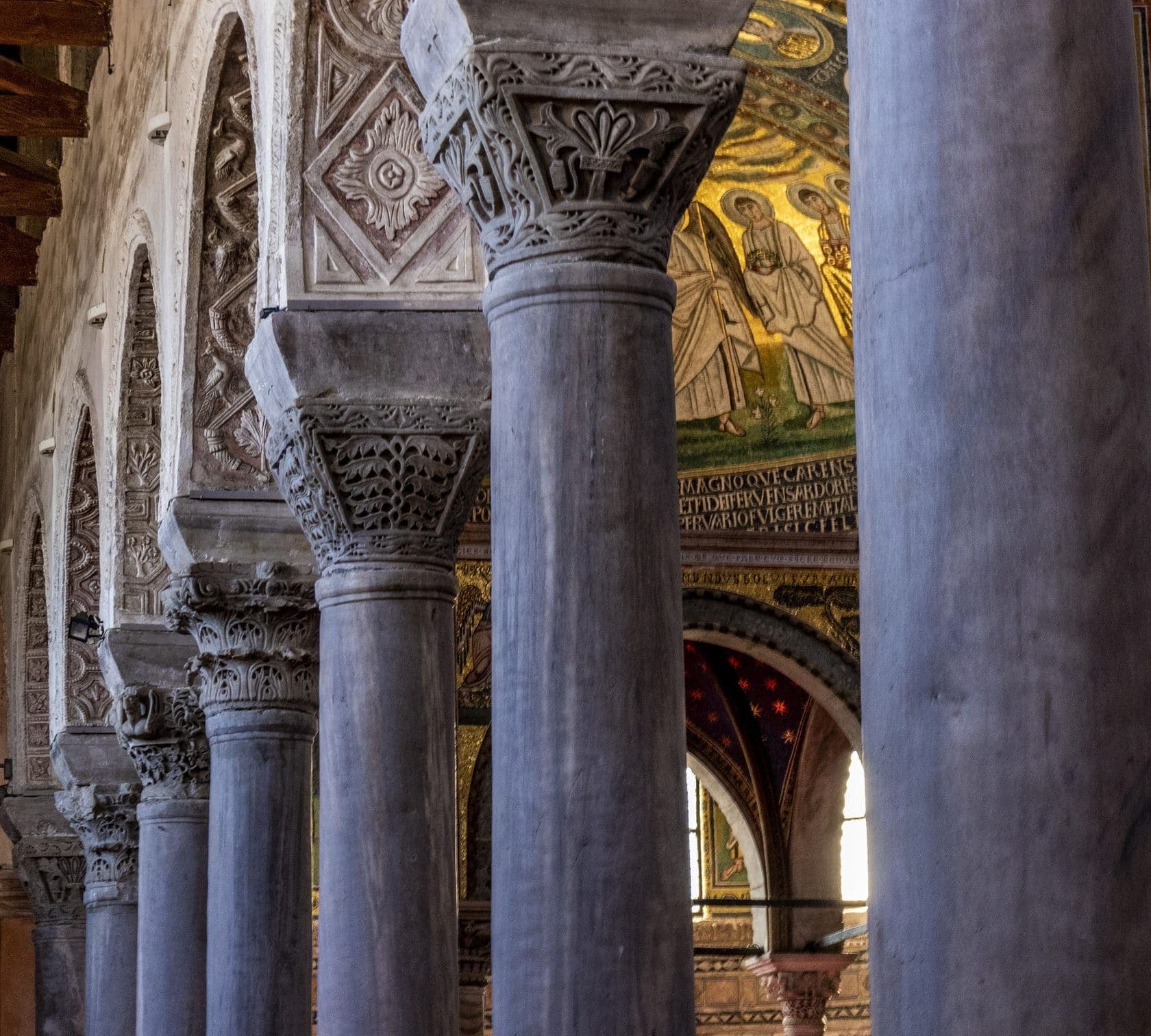
Each region of the country has special islands or must-see towns. In some of those, you might encounter unique pristine nature and refresh the mind, while in others you can see the architectural masterpieces included on the UNESCO Heritage list.
Dubrovnik-Split
Dubrovnik
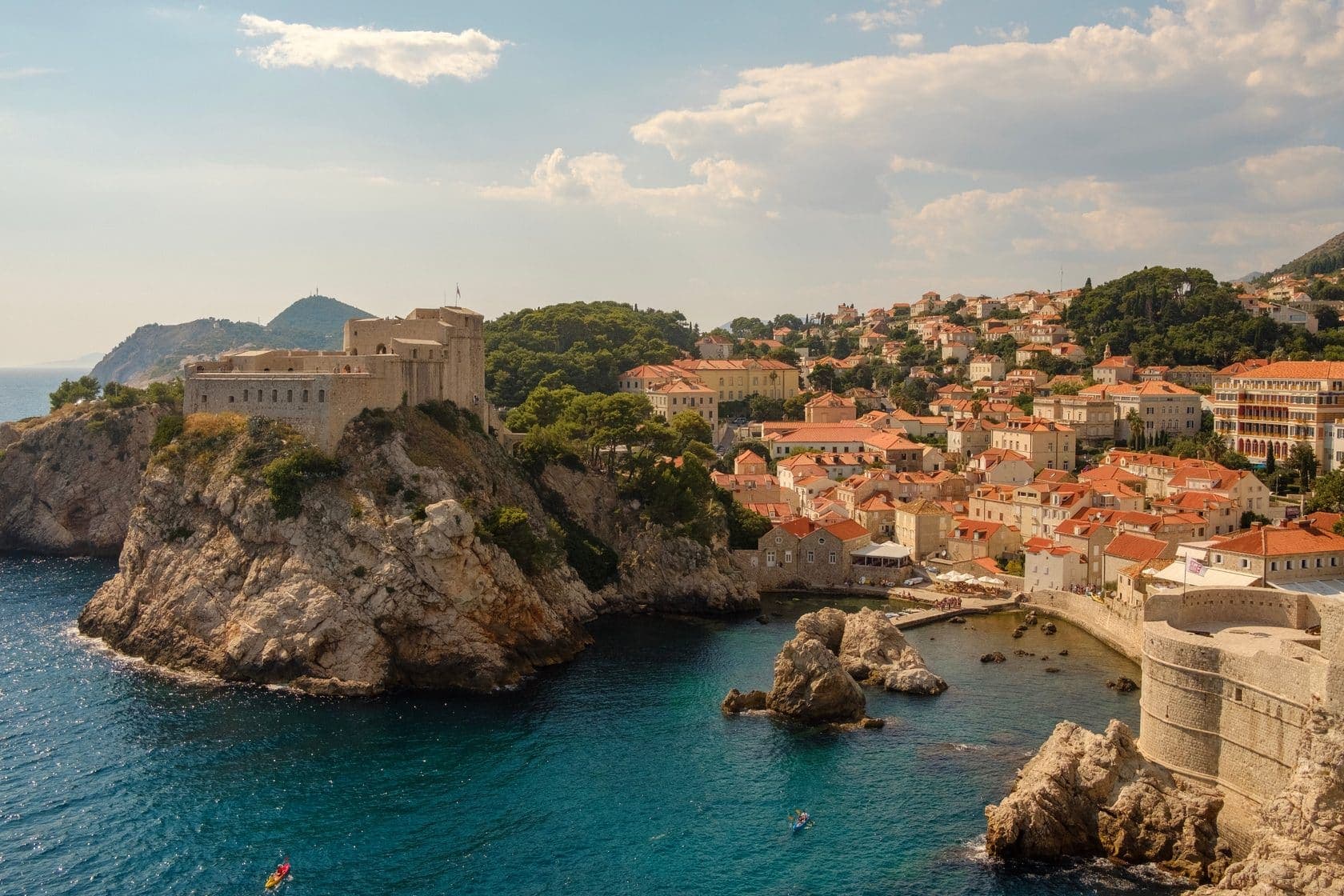
Visiting Dubrovnik is similar to a time machine experience. When you walk down the gangplank to the quayside, you find yourself in the remote year 972, when the Old Town was a standalone island only separated from the sea by a narrow channel. After more than a millennium, the streets remain practically unchanged and still impress with picturesque panoramic views of the Red Harbor.
Best berths for boats:
ACI Marina Dubrovnik — marina
Elaphite Islands
This group of islands consists of 13 islands and is located to the northwest from Dubrovnik. The entire archipelago occupies the territory of 30 sq.m., but it is the best bet for holidaymakers who seek seclusion. A yacht is practically the only way to get to the islands, but this voyage is sure to be memorable. The Lopud Island allows taking in the sun on its sandy beaches for hours on end, while for the Šipan Island our recommendations are bicycle trekking, diving lessons, or a leisurely walk around the old town.
Best berths for boats:
Šunj Bay (Lopud) — anchorage
Šipanska Luka (Šipan) — anchorage
Korčula
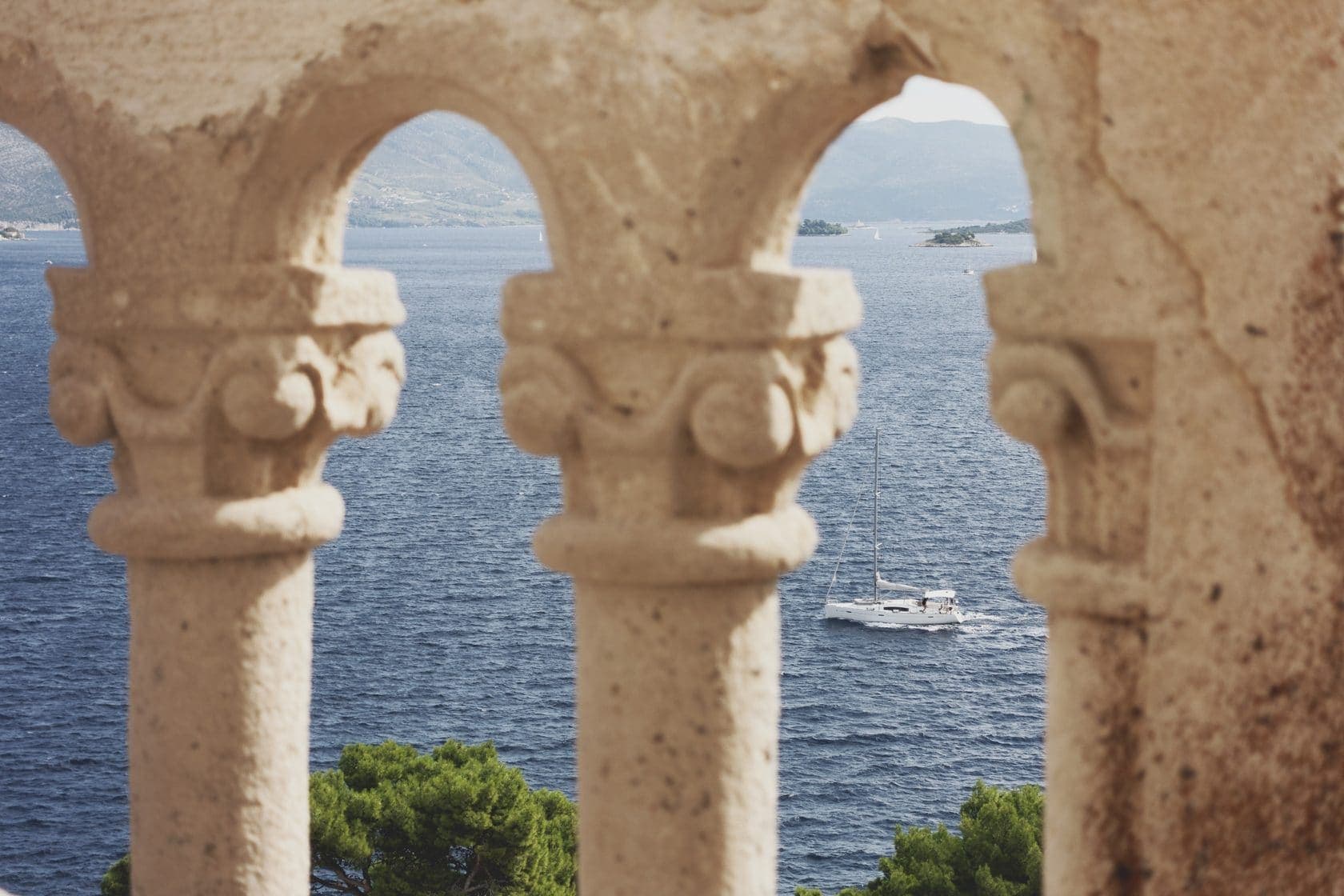
Korčula is an island in the southern part of Croatia with the Adriatic signature pine forests covering most of it. This is the place to go if you want to see one of the oldest Adriatic cities and a remarkably well preserved Medieval Dalmatian town with narrow lanes and ancient buildings, visit the museum of Marco Polo, a renowned traveler, or watch a reenacted 15th century chivalry dance named Moreska, which is preserved only on Korčula. Traveling around the Korčula archipelago on a yacht, it is worth paying attention to the Badija islet, home to its namesake monastery dating to the 15th-16th centuries.
Best berths for boats:
Korčula:
- ACI Marina Korčula
- Uvala Luka Korčula
Vela Luka:
- Municipal berths
- Lumbarda — mooring in a quiet bay
- Badija — anchorage
Lastovo
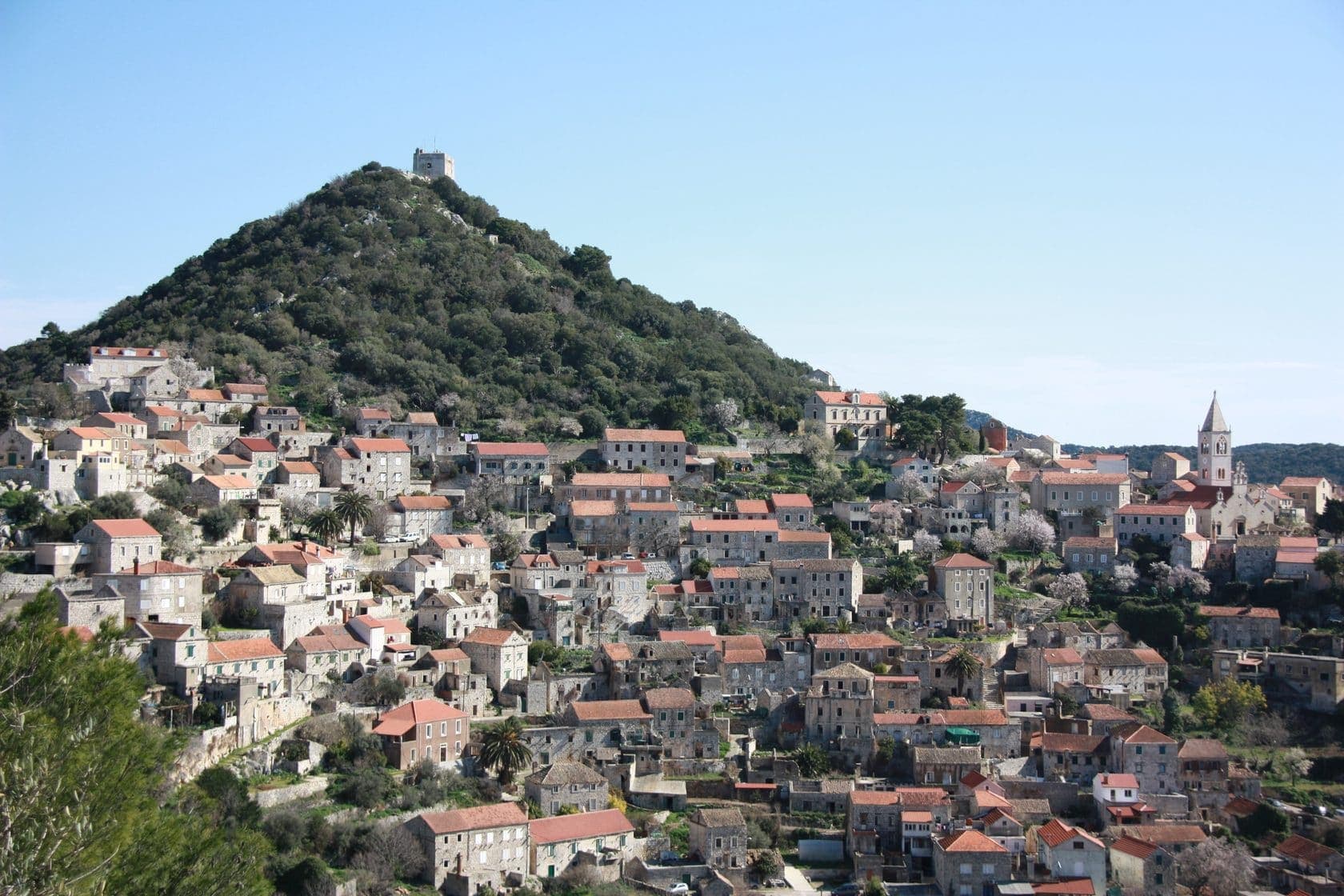
Apart from the pristinely beautiful archipelago with only one inhabited island out of a total of 46, this place is sure to pique interest of history lovers. The first mention of Lastovo dates back to the New Stone Age, while the subsequent centuries saw it frequently changing hands — from the Roman to the French and Austrian Empires. Fast forward to World War I when the place was reclaimed by Italy and to the period after World War II when it finally became part of Yugoslavia only to be concealed from prying eyes until 1989.
Best berths for boats:
Zaklopatica Bay — mooring at the quay
Skrivena Luka Bay — anchorage in the Porto Rosso marina or free-of-charge near the restaurant
Velji Lago Gulf:
At the Solitudo hotel — anchorage
Pasadur — anchorage
Ublе — anchorage
Jurjeva Luka — anchorage
Mali Lago — anchorage
Mljet
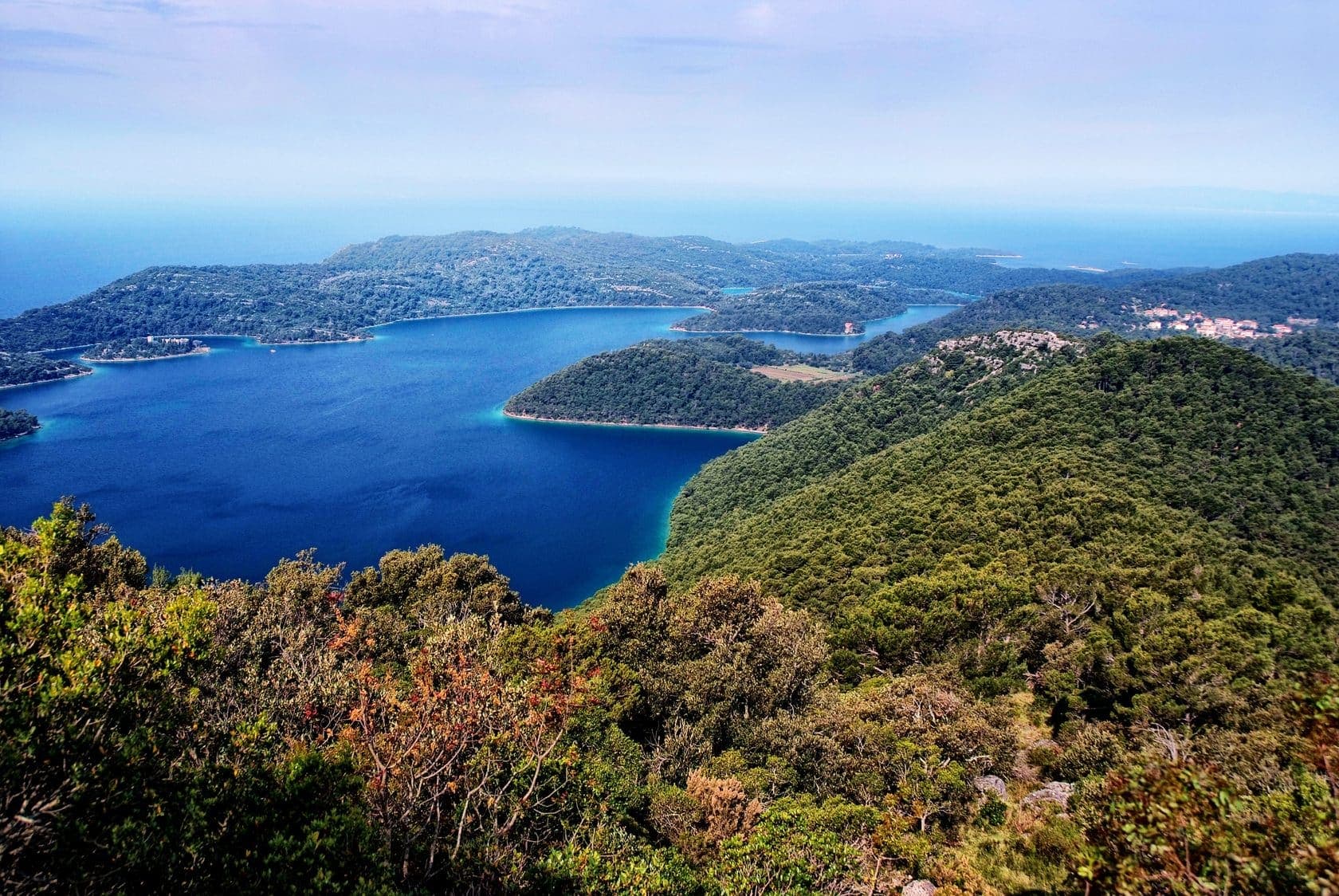
Croatia's greenest island with 72% of the territory covered with trees. The park is situated in the western part of the island and is known thanks to two salt lakes connected with the sea through a narrow canal and to the mongooses that populate it. This island has an exciting history, so it is definitely worth including in your route.
Best berths for boats:
Polače — anchorage is included in the ticket price
Pomena — anchorage is included in the ticket price
Prožura — moorage at the buoy or a restaurant subject to availability
Saplunara — anchorage in the northern part of the bay
Pelješac
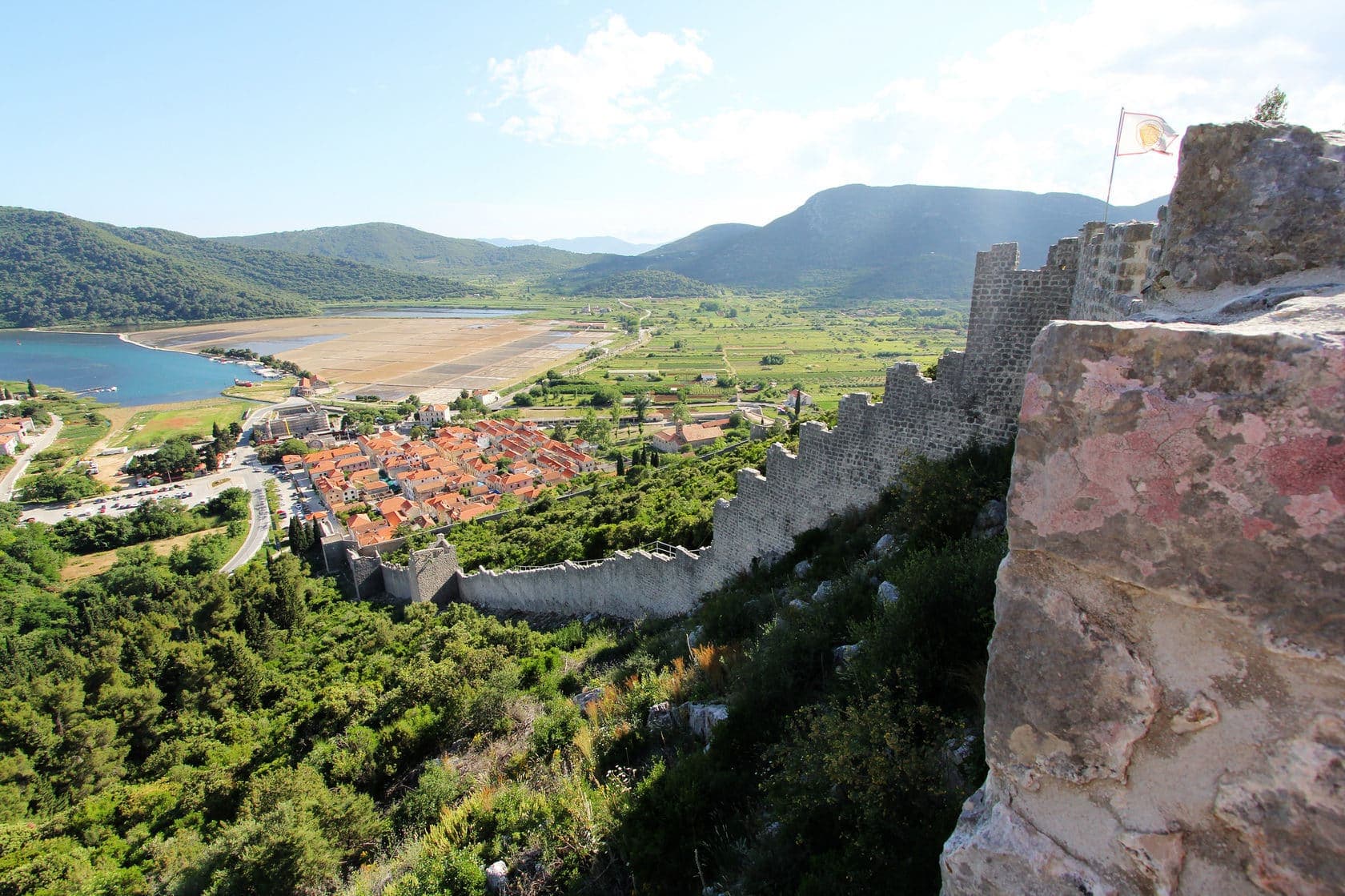
The peninsula is connected with the mainland by a narrow neck of land, on which the town of Ston stands. This place was considered strategically important thanks to its advantageous location and the salt extraction industry. Atop the Mount of St. Elijah (Sveti Ilija), a fortress with strong long walls was built back in the Middle Ages, and the Gothic and Renaissance palaces and buildings of the 15th-16th centuries are preserved. Besides, Ston nowadays is home to a large oyster farm. Another famous place on the peninsula is the Orebić town situated at the foot of the mountain. In the 19th century it was the second major port after Rijeka and a resting place for renowned captains. Seafaring history lovers should visit the museum, the old Franciscan monastery of the 15th century and the seamen cemetery. Also, thanks to its mild climate, Pelješac is one of the main centers of viniculture, as well as orange and lemon growing. Thus, an acclaimed German food and wine periodical included the Dingač wine to the list of Croatia's TOP 9 wines.
Best berths for boats:
Ston
Orebič
Trpanj
Brač
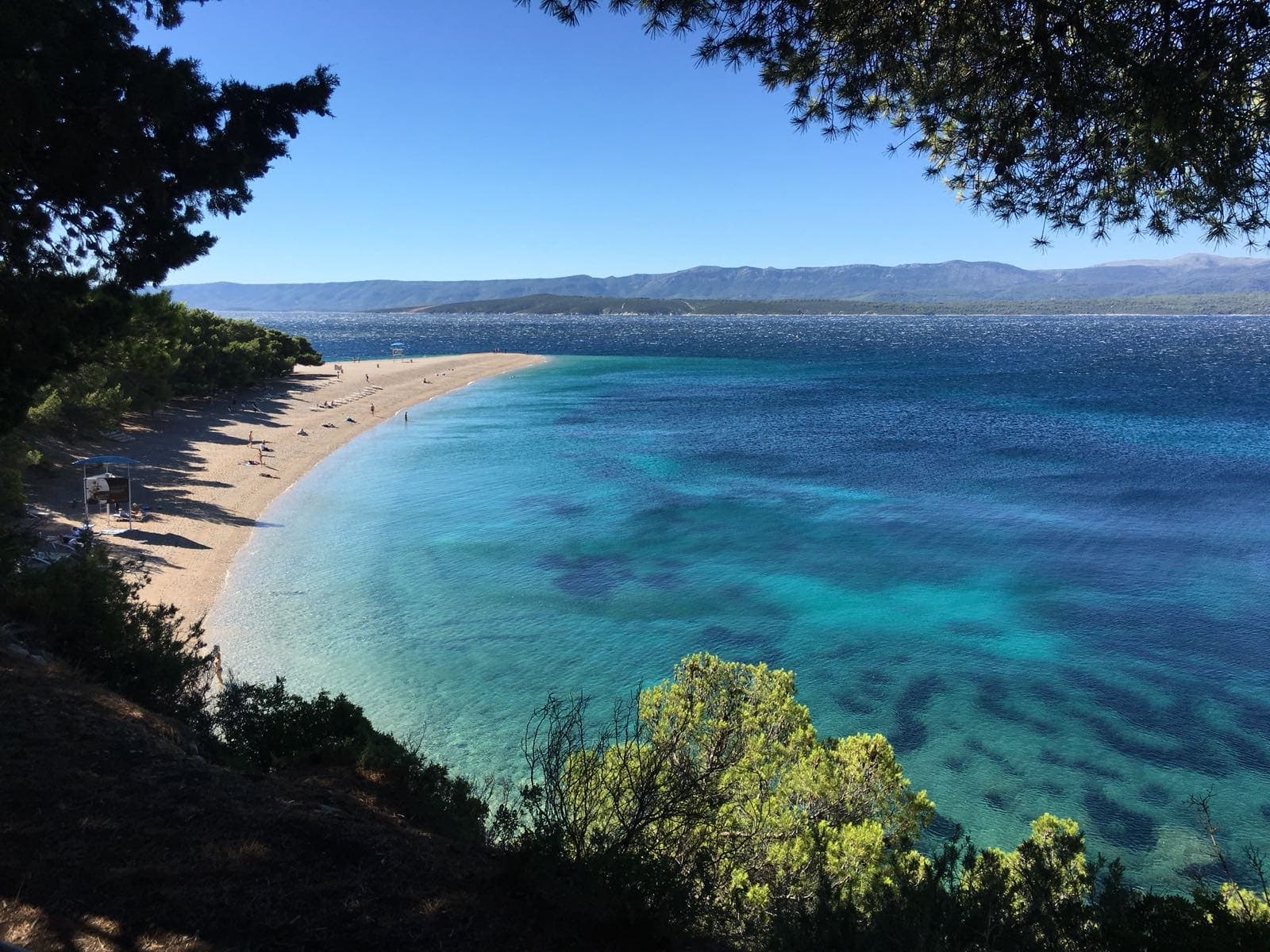
Croatia's third biggest island occupies an advantageous location between the large port of Split and the Šolta and Hvar islands. Brač made a name for itself thanks to the astounding Golden Horn (Zlatni Rat) beach and the highest mountainous point on the map of the country — Vidova Gora. The island came to historic prominence owing to the extraction of the white stone which was used to build the Diocletian's Palace (Dioklecijanova palača) and the White House in Washington.
Best berths for boats:
Milna:
- ACI Marina Milna — marina
- Marina Vlaska — marina
Bol — port
Pučišća — anchorage
Sumartin — anchorage
Pospira — anchorage
Supetar — anchorage
Uvala Bobovišće — anchorage
Rt Povlja — on the east side of the harbor, anchorage
Hvar
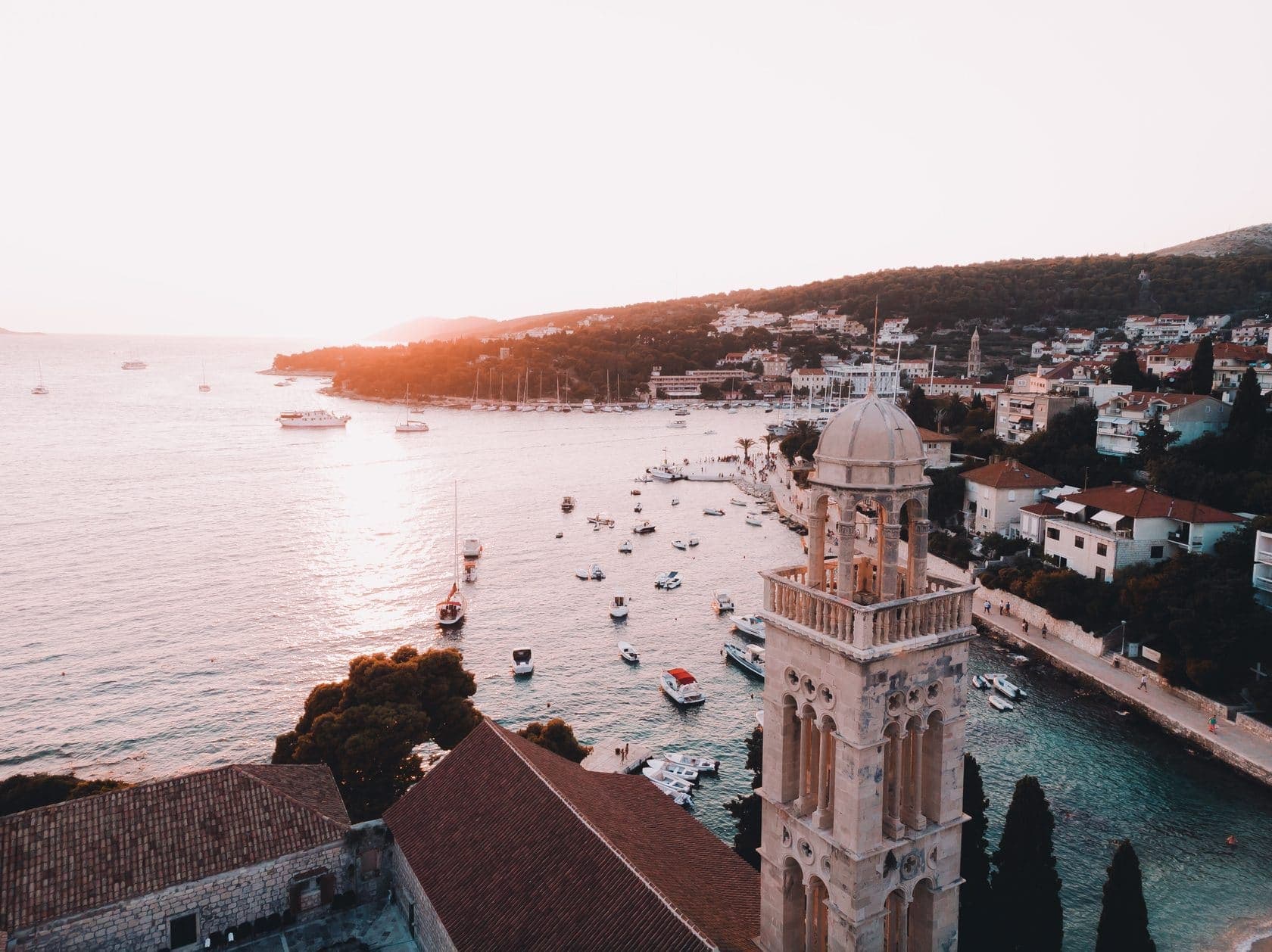
An island in the southern part of Croatia and the eponymous town. The name is derived from the Greek name of Pharos (Φάρος) meaning 'a lighthouse'. Many people come to Hvar to learn about the so-called Hvar culture, which is attributed by historians to the 3,000-4,000 B.C., and the historic events taking place on the island, during which Hvar constantly changed hands, was destroyed and them built anew. Only after World War I it became part of Yugoslavia. Not far from the town of Stari Grad, a unique natural monument called Stari Grad Plain (Starogradsko polje), which was included on the UNESCO World Heritage List. Even after almost 2,500 years, it still preserves the Ancient Greek system of land surveying called khora, thanks to which the territory is dissected into small lots of land of different colors.
Best berths for boats:
ACI Marina Hvar — port
ACI Marina Palmižana — port
Stari Grad — port
Jelsa — port
Vrboska — ACI Marina Vrboska or in the center of the town
Sućuraj — anchorage
Vis
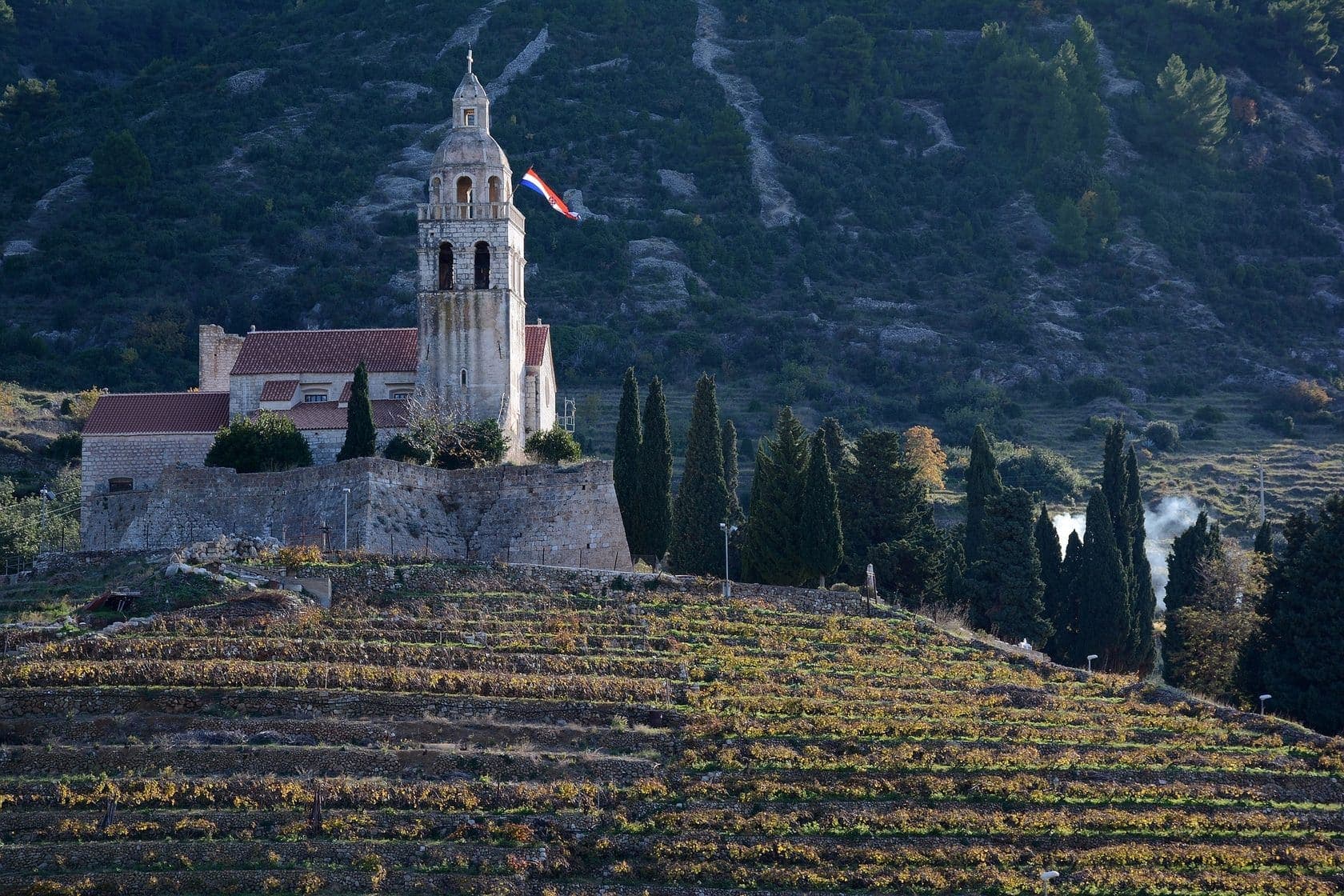
The most remote island among the inhabited Adriatic islands. The largest settlements are the cities of Vis and Komiža. The history of the Vis island, just like that of other Dalmatian islands, is very old. A small ancient town abounds with stories of hostilities taking place over centuries, as well as architectural constructions of Roman theaters, churches, and palaces of the 16th-18th centuries. Komiža, the town of fishermen, has a museum of fishing, located in the ancient fortress tower and many seafood restaurants. Near it, the small island of Biševo features the Blue Cave (Modra špilja), in which the effect of light refraction in the water makes all people and subjects seem to be flooded with blue light.
Best berths for boats:
Vis — pier, buoys or anchorage
Komiža — embankment or anchorage
Split-Zadar
Trogir
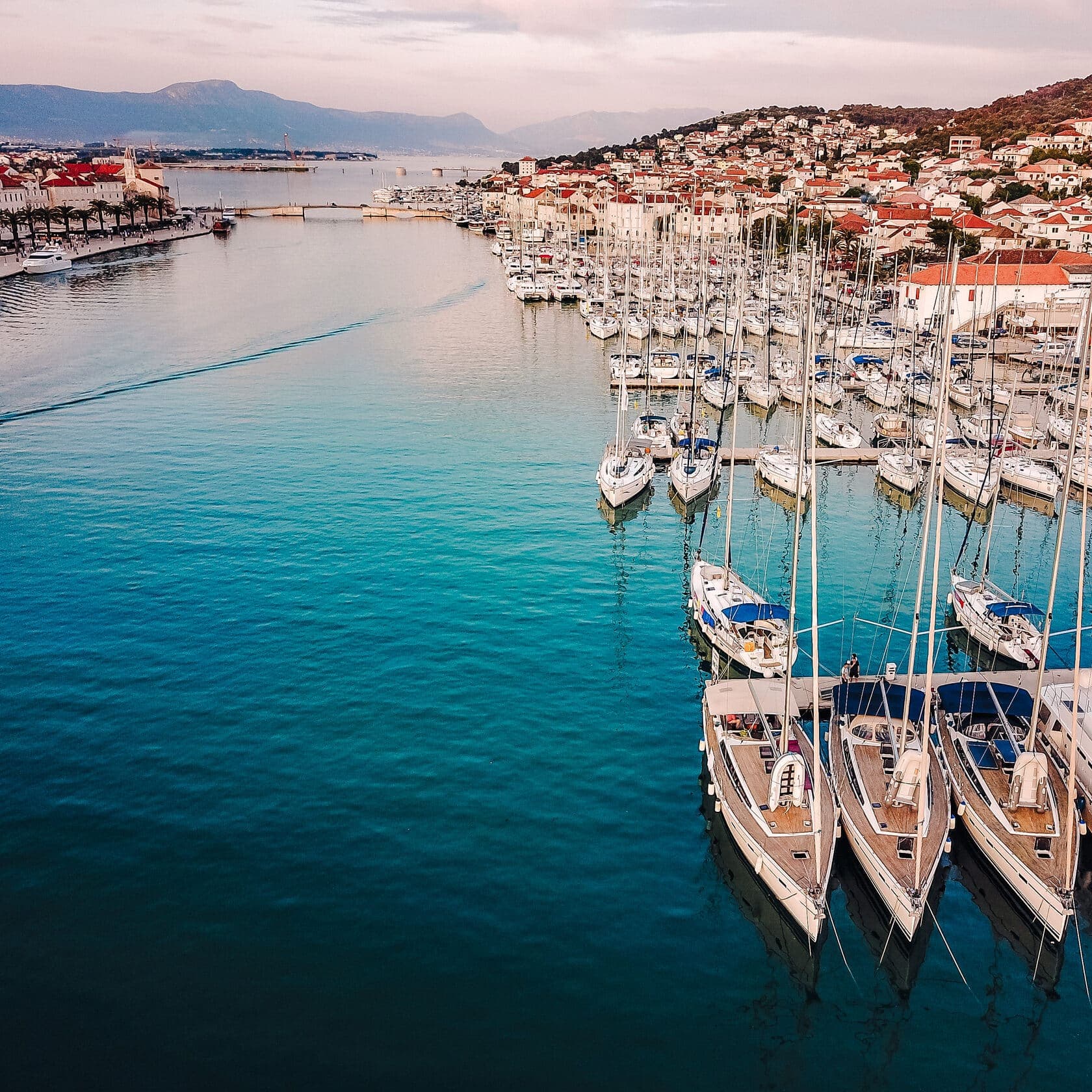
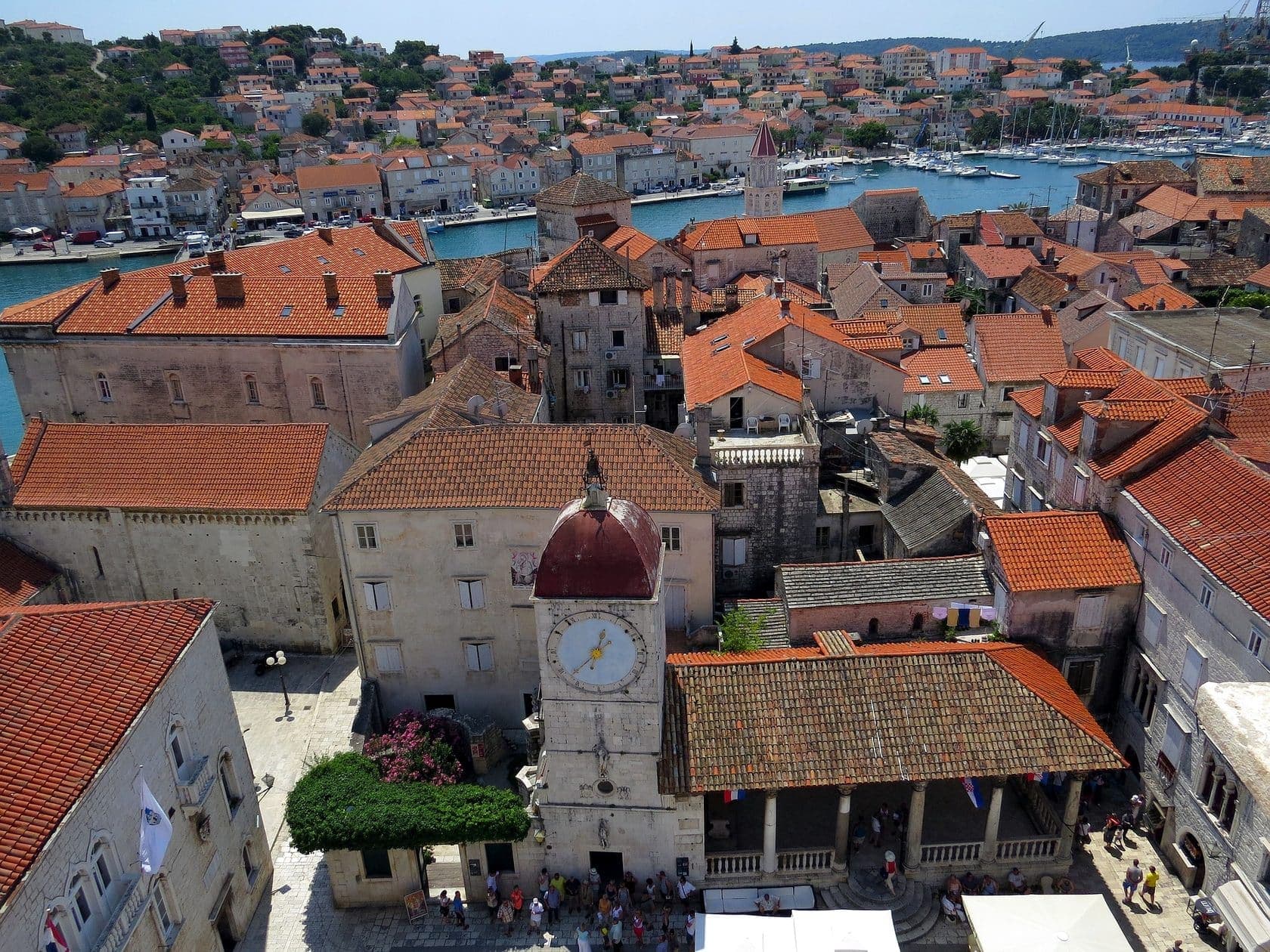
The old town of Trogir is listed on UNESCO World Heritage List. The town owes its name to the Greeks: "tragos" means "a herd of goats". This was the first impression that the Dorians, an ancient Greek tribe, had when they first discovered the little piece of land in the 3rd century B.C. Afterwards it became a Greek colony but changed many rulers over millennia. The historic town center is minuscule indeed, but it has preserved architectural masterpieces dating back to different centuries.
Best berths for a boat:
ACI Marina Trogir — marina
YC Seget — marina
Anchorage on both sides of the bridge
Šibenik
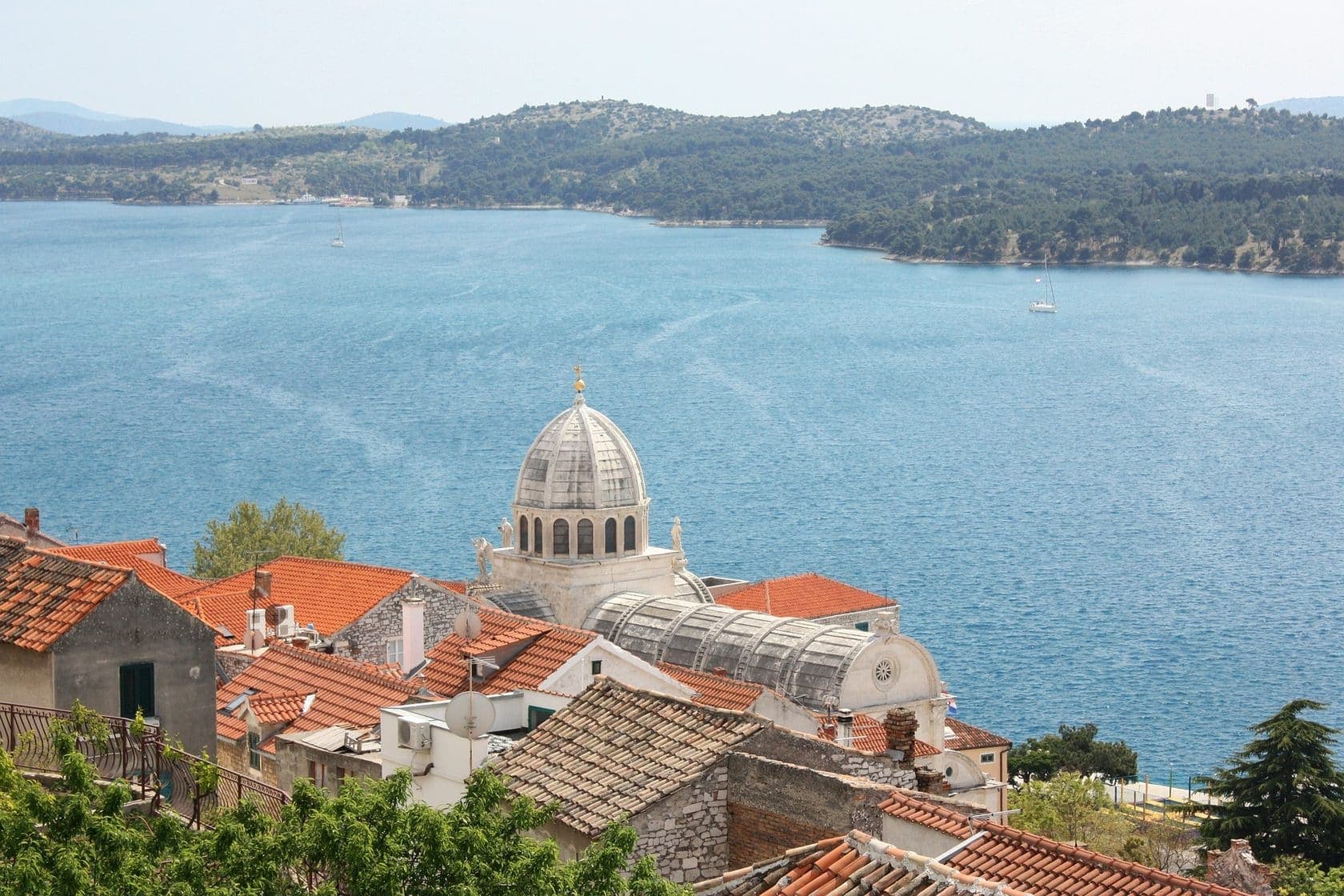
The town is located along the coast of the bay into which the Krka River flows. In the immediate vicinity from the town is its namesake picturesque national park with multi-level cascades of waterfalls. From Trogir and Zadar you can take a convenient yacht voyage to Šibenik. The city itself preserved one of the seven Croatian cathedrals having the status of a "minor basilica" — the Cathedral of St. James (Katedrala sv. Jakova). The foundation stone of this masterpiece of medieval Dalmatian architecture was placed in 1431, and its creation was a collaboration of Juraj Dalmatinac, Nicola Firentinac, Bartolmeo of Mestra and his son. The cathedral is a UNESCO World Heritage site. However, it is not the only one: a fragment of Venetian defensive installations of the 16-17th centuries, which skirted around the coast and protected the Republic of Venice from the northwest and the sea lanes and ports from the east.
Best berths for a boat:
Old Town — embankment
D-Marin Mandalina — marina
Krka
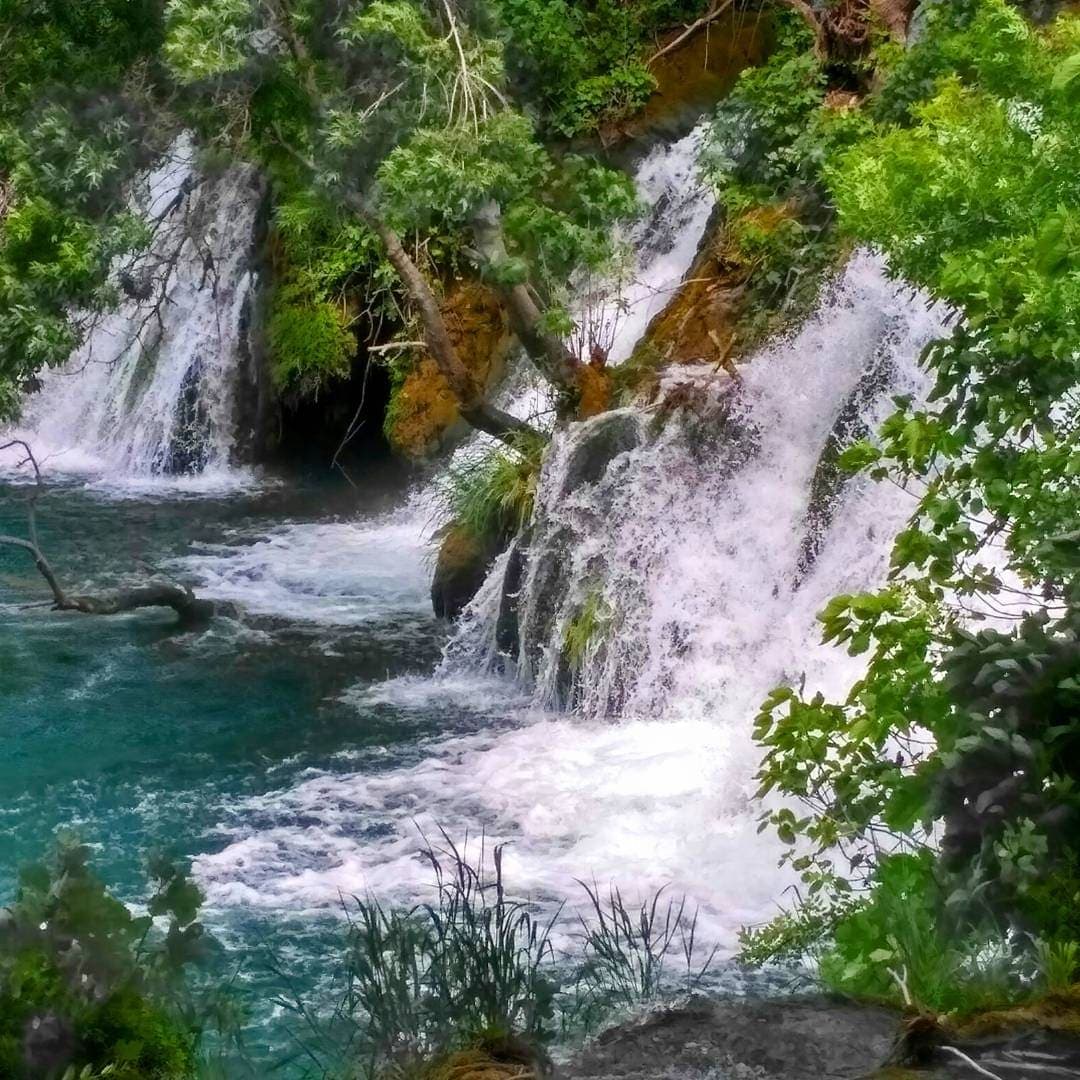
The Krka national park wrapped itself around the eponymous river. Its quirky landscape is made of small lakes connected with incredible waterfall cascades. Krka is located in Northern Dalmatia not far from Šibenik. One can get to the park by scheduled ferry which departs from a place called Skradin. When awaiting water transport one can climb to the highest point with a breathtaking panoramic view of the Krka River and the canal.
Best berths for a boat:
ACI Marina Skradin — marina
Primošten
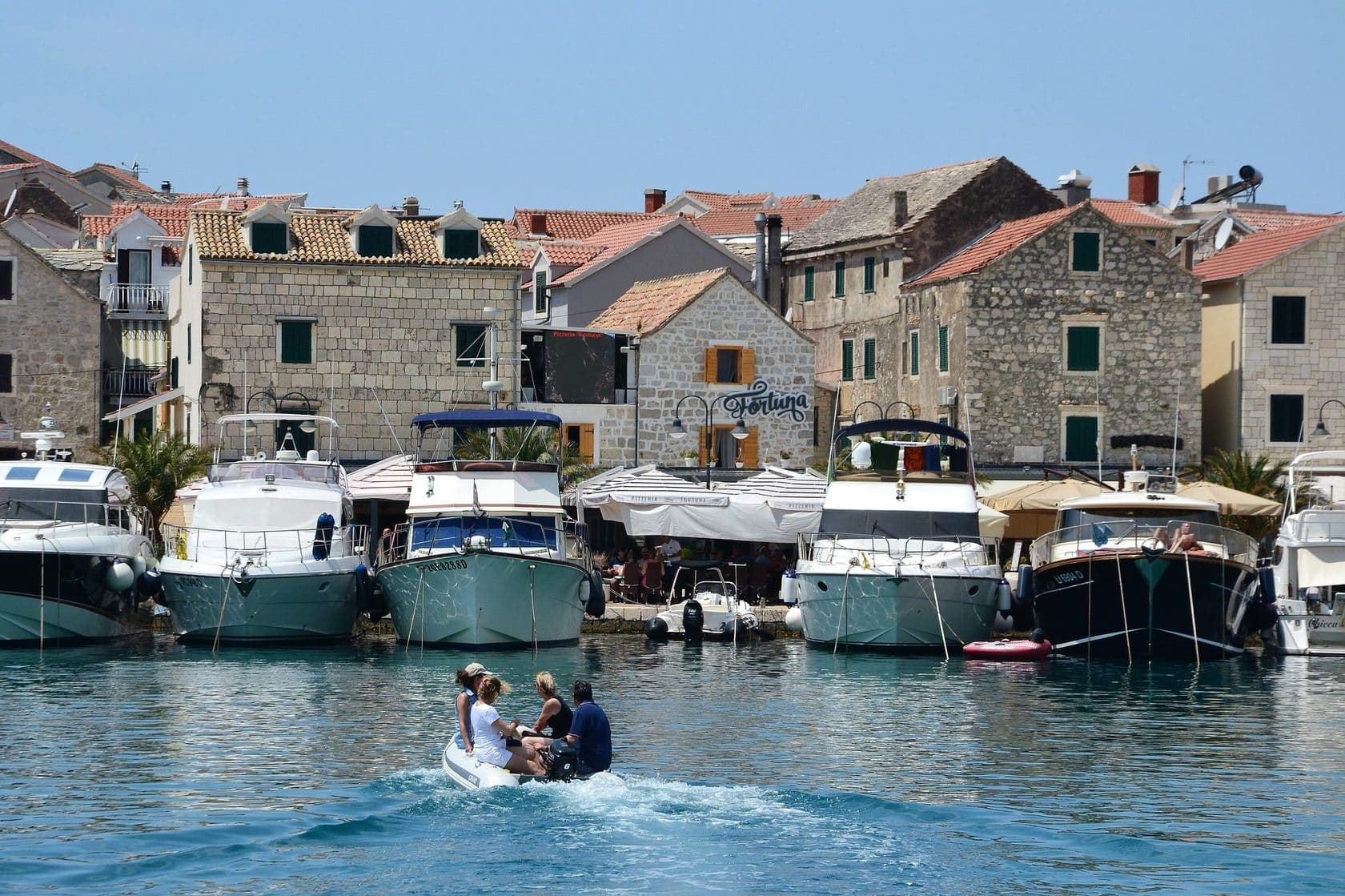
The town is located 30 km from the region's capital — Šibenik. In the 16th-18th centuries, Primošten belonged to the Venetian Republic. The residents of the settlement were employed in fishing, winemaking, olive harvesting. Today, the town is famous for its vineries: it is here that the renowned Babić red wine is made. Moreover, they are candidates to the UNESCO World Heritage List. Also, the following little fact is well known: a photo of one of Primošten's vineyards graces a wall of the UN Headquarters building in New York.
Best berths for a boat:
Marina Kremik — marina
Šolta
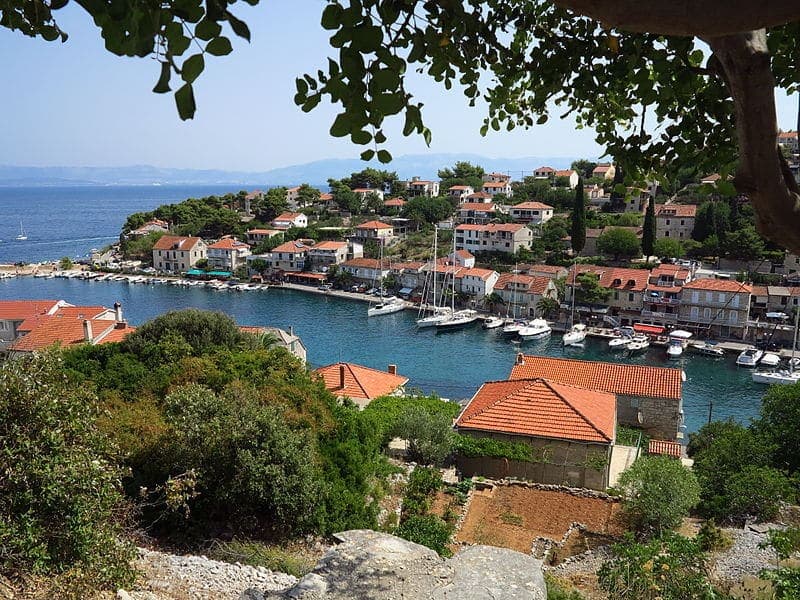
A blossoming island is situated 10 km miles to the southwest from the city of Split and near the island of Brač, separated from it by the Split Gates (Splitska Vrata) Strait. Back in the ancient times, it fulfilled several strategically important functions — it was a protective base for providing the seaside towns and a reliable shelter. The main treasure of the island is its pristine nature. The northern part of the island is marked by small bays and the Nečujam and Rogač settlements. The shipbuilding traditions have been thriving in Stomorska from the earliest times.
Best berths for a boat:
Maslinica — marina
Rogač — marina
Nečujam — anchorage
Stomorska — quay on the embankment
Dugi Otok
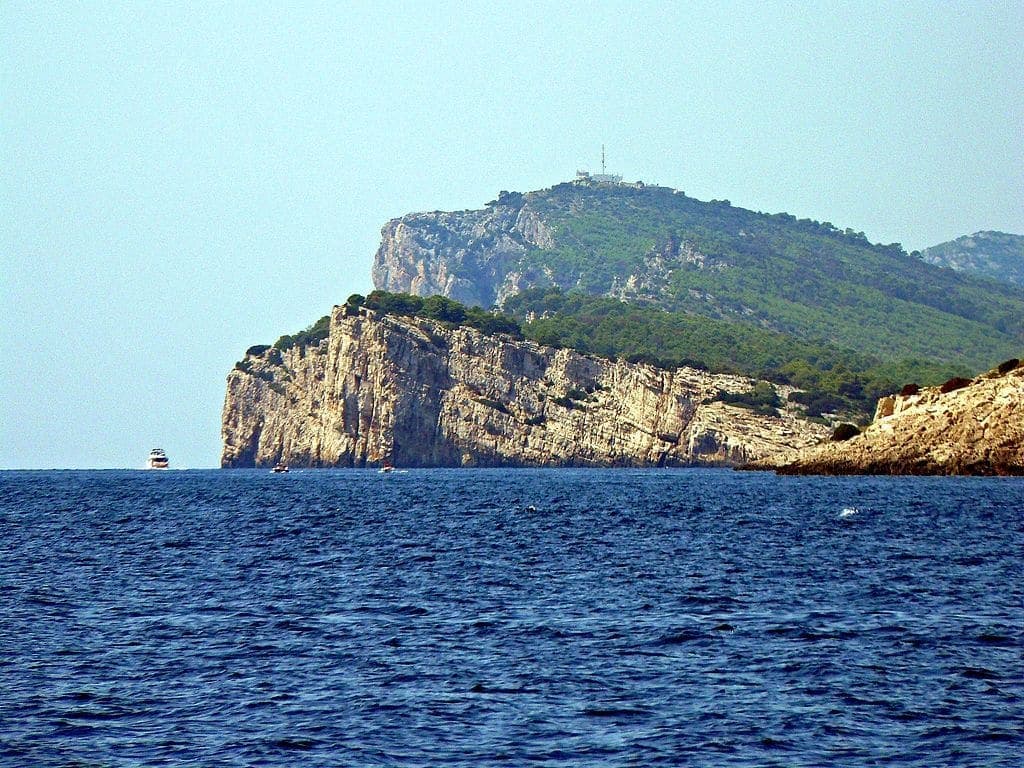
The name means "long island" when translated from Croatian, which fully corresponds to/matches its elongated shape. The Telaščica National Park featuring precipitous cliffs on the coast, which are also the preferred nesting place for many birds, and the salt lake Mir (Rat), occupy the southern part of the island. The main part of the western coast is steep and rocky, which explains why the major settlements and anchorage berths suitable for yachts are located along the northeastern part of the island, opposite the neighboring islands of Ugljan and Pašman. Also, it is home to Veli Rat, the largest lighthouse on the Adriatic (42 m) boasting over 150 years of history.
Best berths for a boat:
Uvala Mir or Uvala Tripuljak — buoys
Marina Veli Rat / Soliščica — marina
Anchorage between islands Donji Školi and Burnji Školi
Uvala Triluke — pier
Sali — embankment
Kornati
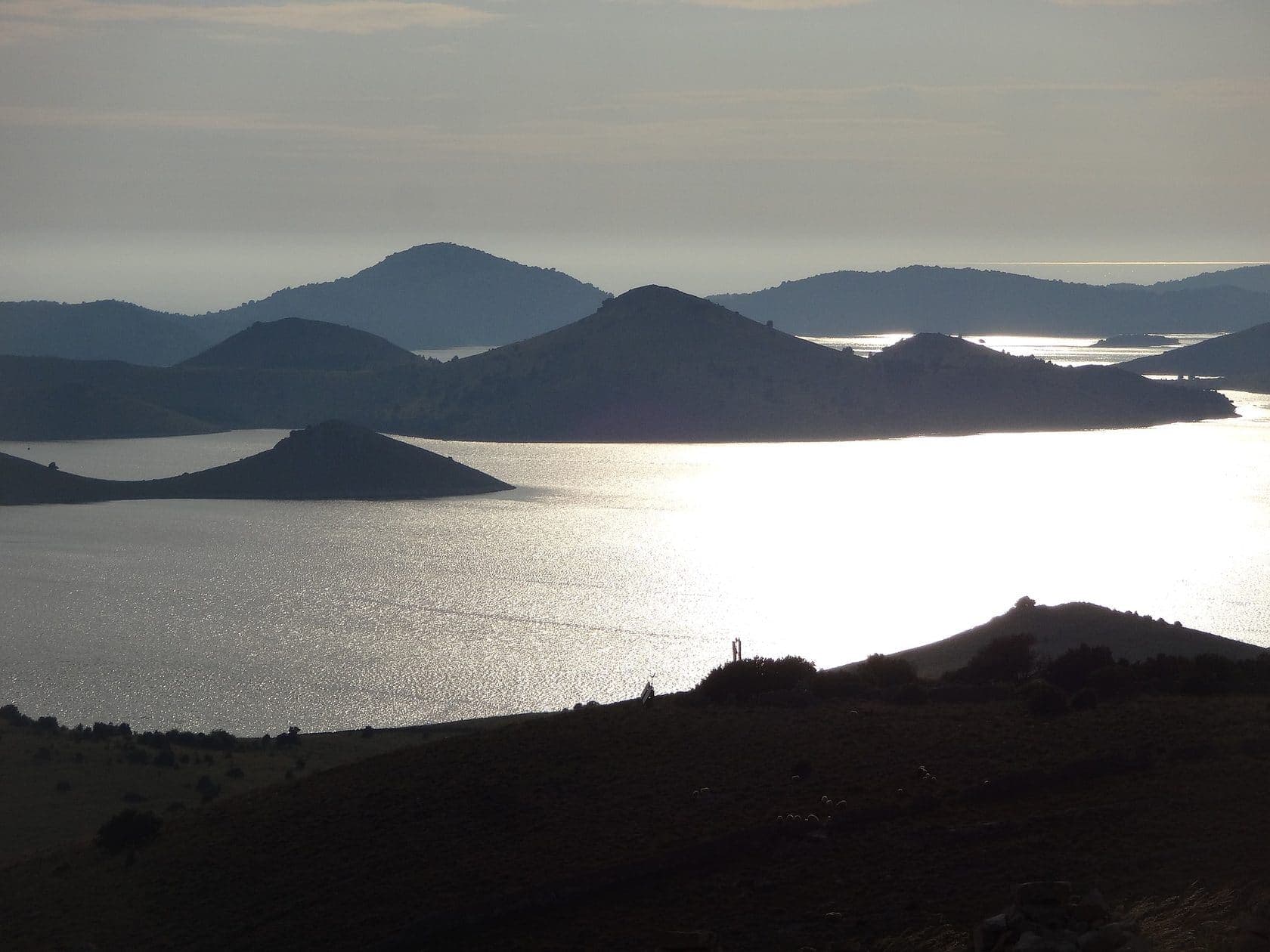
The archipelago consists of 89 islands covered with olive trees and sparse grass amid scorched rocks. The signature straw color and unusual landscape of the islands as well as the silence interrupted only by the sound of birds make you feel as if you were planted on some other planet. Kornati is situated in Central Dalmatia near the Zadar, Šibenik, and Biograd na Moru. Arguably, it is Croatia's most unusual national park.
Best berths for a boat:
In the national park
Zadar-Rijeka
Lošinj
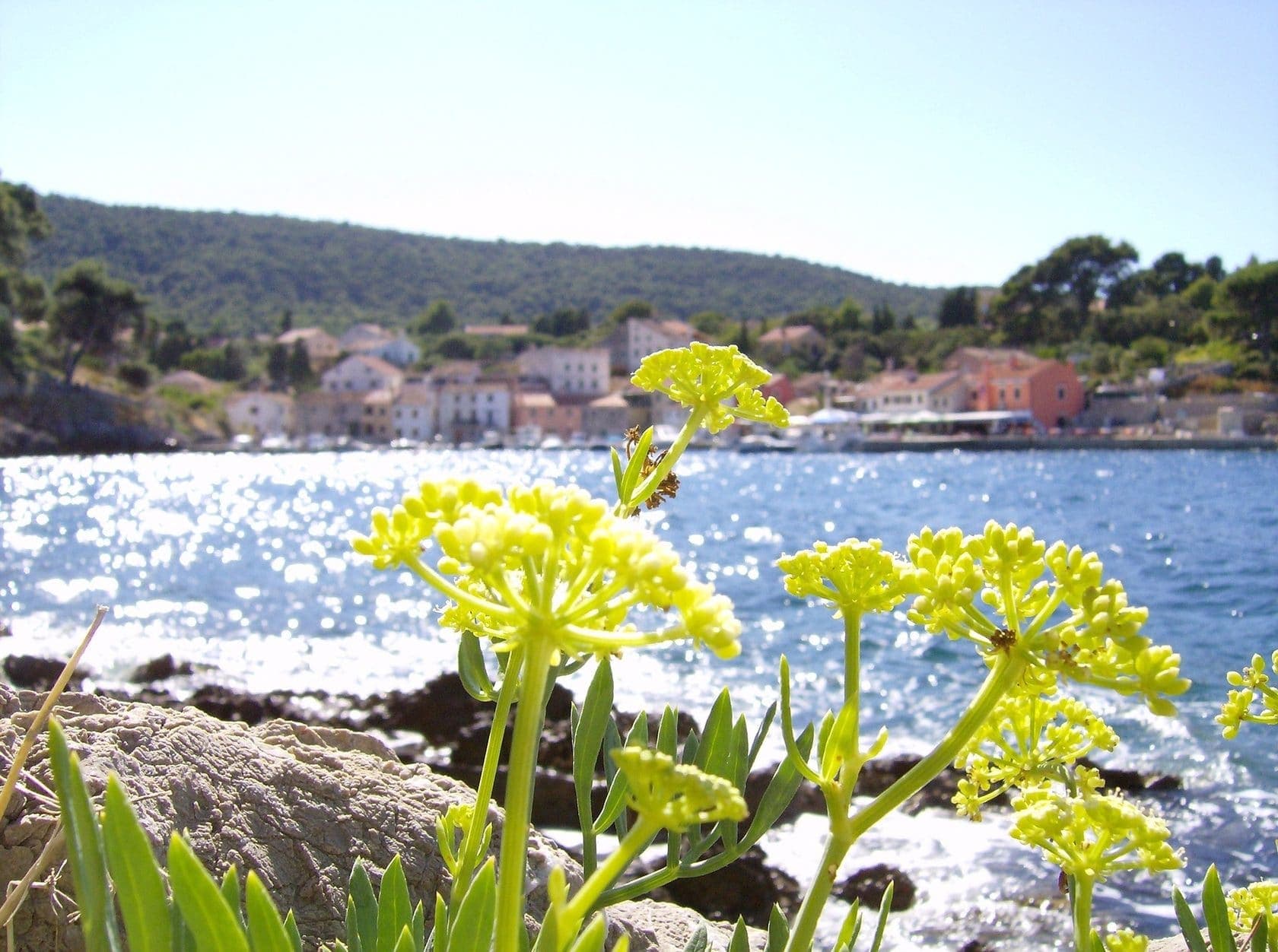
Lošinj is an island in the Kvarner Gulf, in northern Croatia. The most popular settlements are Veli Lošinj and Mali Lošinj. The history of these places is rooted in the 14th century: the Romans called this island Apsorrus. Later, in the 18th and 19th centuries, Lošin became an important stop on the trade route, where shipbuilding was thriving, yet in the 20th century it belonged to Italy up until 1945 when it finally became part of Yugoslavia.Today, you can ride a bicycle along an endless seaside alley or follow multicolored streets of ancient towns peeking into the windows. In the high season, i.e. in the summer, life is bustling here, while the winter is perfect for long walks and basking in the sunshine.
Best berths for a boat:
Luka Mali Losinj — mooring lines, stern to dock
Y/C Marina Mali Lošinj — at pantoon
Baie de Krivica — anchorage, mooring buoys, lines ashore
Luka Kolorat/Punta Križa — anchorage, mooring buoys
Uvala Balvanida — anchorage, mooring buoys
Cres
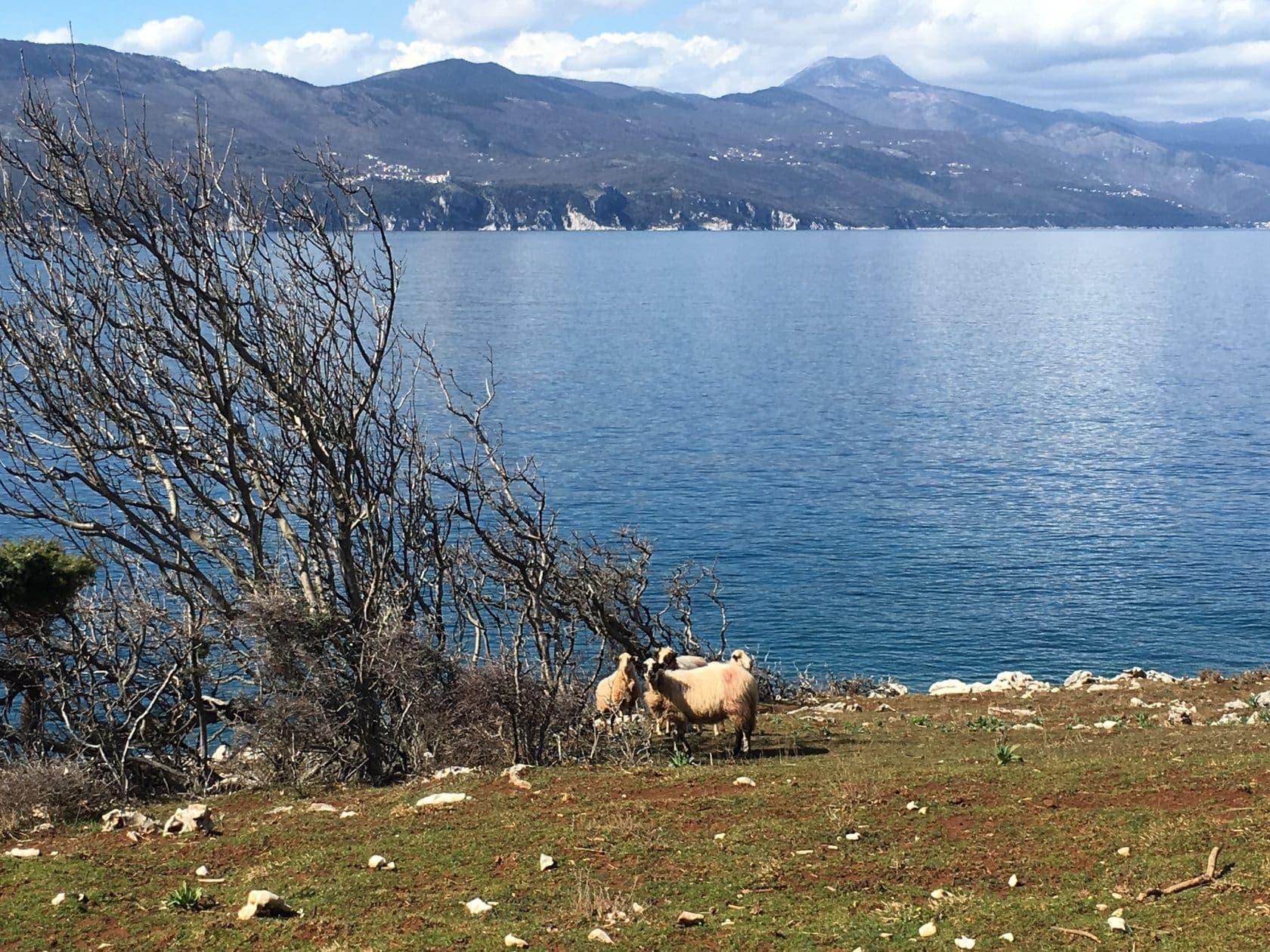
Croatia's second biggest island stretches across 66 km from the north to the south, while being only 2-12 km wide. The coastline is highly indented, the cliffs have a remarkable color range and wild beaches with sun-bleached stones. The island is perfect for a voyage, snorkeling and diving, while those who love to come ashore may be recommended climbing to one of the peaks overlooking the neighboring islands. The island is the habitat of wild deer and boar, a rare species of eagles, and lounging sheep. In spring, you can sit on the pebbles and watch dolphins. Yachtsmen are welcome in its namesake port, where apart from the possibility to replenish supplies, one may taste a fresh catch of fish and seafood and walk the streets dating to the time of Roman conquerors.
Best berths for a boat:
Port Cres — mooring lines
Uvala Beli — at pontoon
Uvala Valun — at pontoon
Various anchorages nearby beaches
Krk
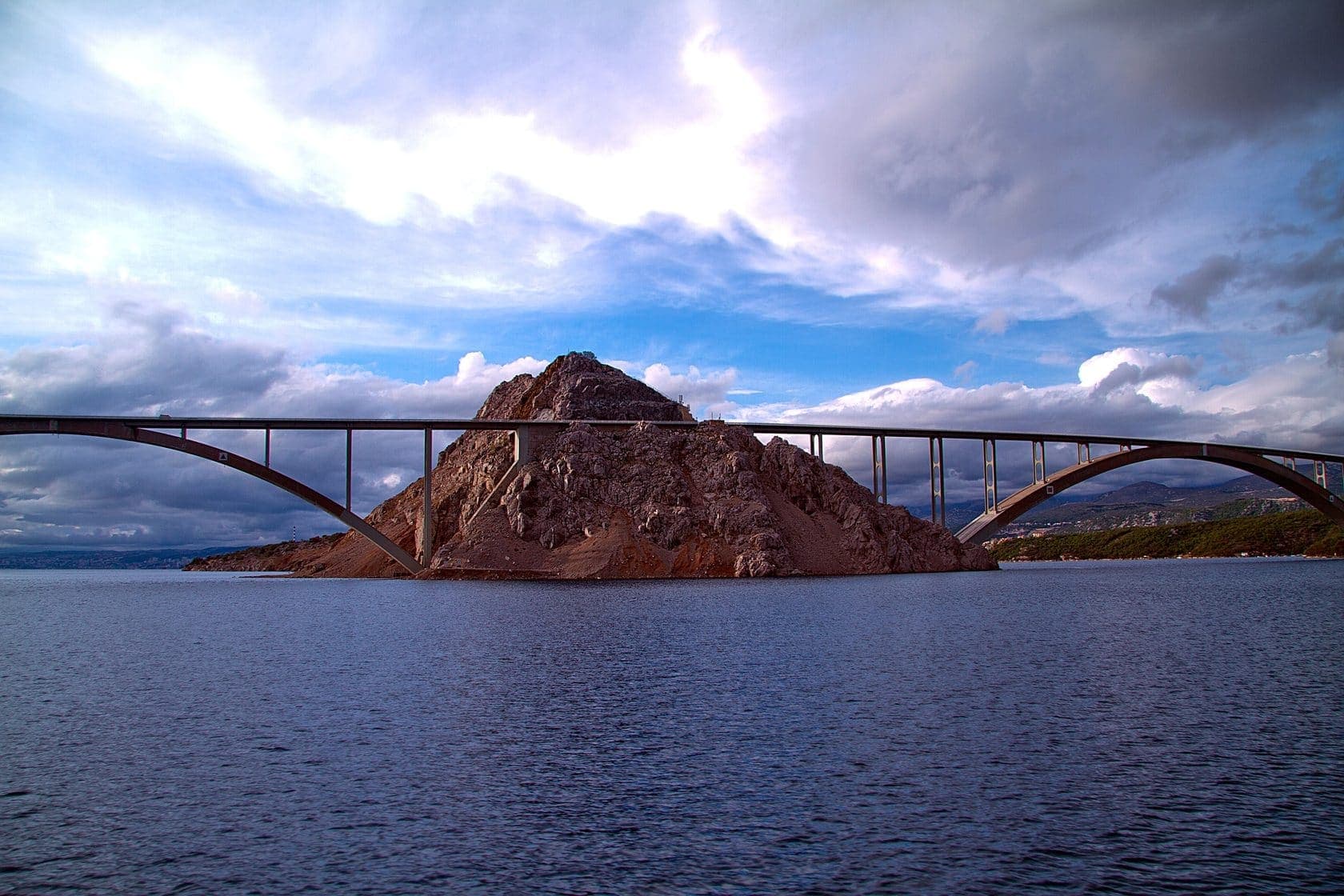
Croatia's biggest and one of the oldest islands. Territorially, a narrow strait separates it from Dalmatia, while the Kvarner Gulf cuts it off from the nearest islands Cres and Rub, as well as the Istria peninsula. Here, history plays a special role - in 49 B.C. these waters were the site of a battle between the fleets of Julius Caesar and Gnaeus Pompey the Great described in 'Bellum civile sive Pharsalia' written by the Roman poet Marcus Annaeus Lucanus, as well as many other events.
Best berths for a boat:
Vela Luka — anchorage
Mala Luka Beach — anchorage
Sveti Grgur Uvala — anchorage, quay/dock
Uvala Krušija — mooring buoys, lines ashore, anchorage
Uvala Bracol — lines ashore, anchorage
Rab
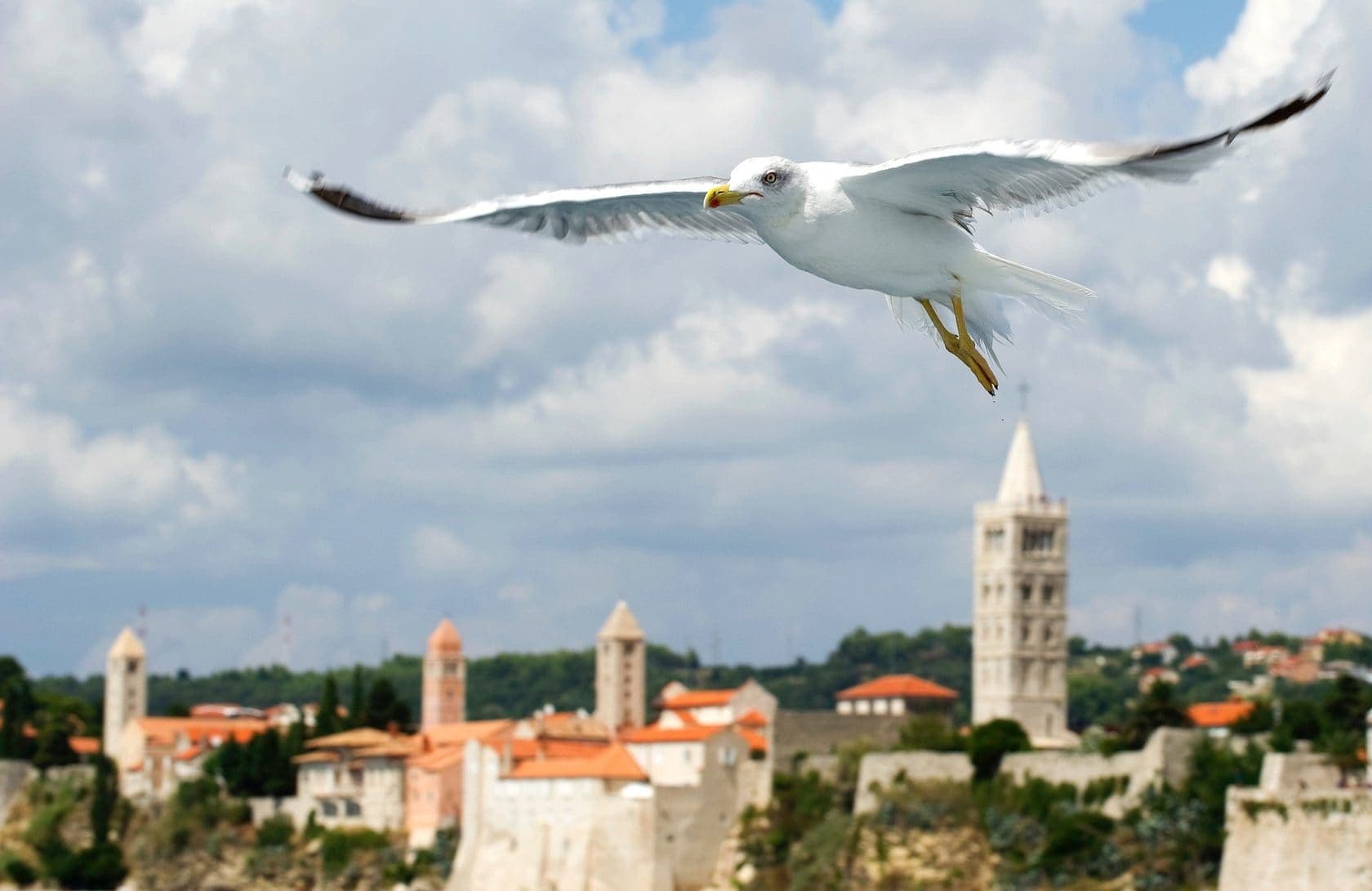
An island in Kvarner, Northern Croatia, whose first settlement was built by the Illyrians in the 4th century A.D. on the site of what is today the town of Rab. The island frequently changed hands: in Roman times it was dubbed "lucky" (Felix Arba), later to become part of Byzantium, the Hungarian-Croatian kingdom, Venice, and fascist Italians. A complex destiny of the island and its unique nature attract tourists from all over the world. It provides a wonderful infrastructure for yachtsmen. The island has many beaches suitable for kids.
Best berths for a boat:
ACI Marina Rab — mooring lines
Sahara Bay — anchorage
Cifnata — anchorage
Gozinka bay — anchorage
Uvala Sveta Fumija — anchorage
Uvala Dumići — anchorage
Pag
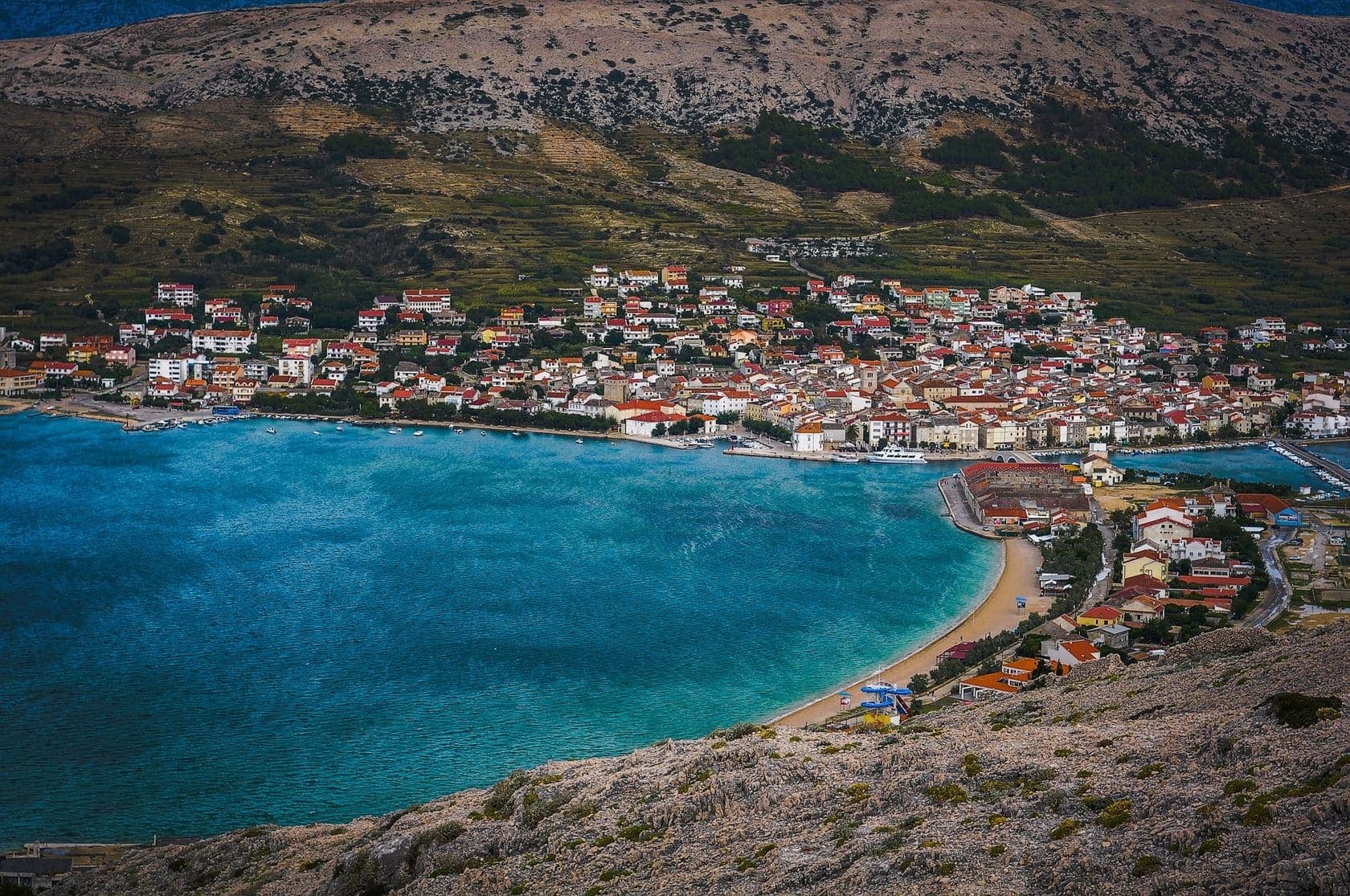
A very north to west and south to east stretched out island in Central Dalmatia is known not only thanks to its historic heritage. Every Croatian shop offers culinary-grade sea salt from Pag and a most tasty Pag-produced sheep's milk cheese, a local culinary specialty. The main towns of the island - Pag and Novalja. The first one is an example of medieval construction centered around the Duke's and Archbishop's palaces built by architect Juraj Dalmatinac (George the Dalmatian). The second town is increasingly turning into the Croatian Ibiza.
Best berths for a boat:
ACI Marina Rab — mooring lines
Luka Novalja — mooring lines
Plaža Girenica — mooring buoys, anchorage
Istria
Pula
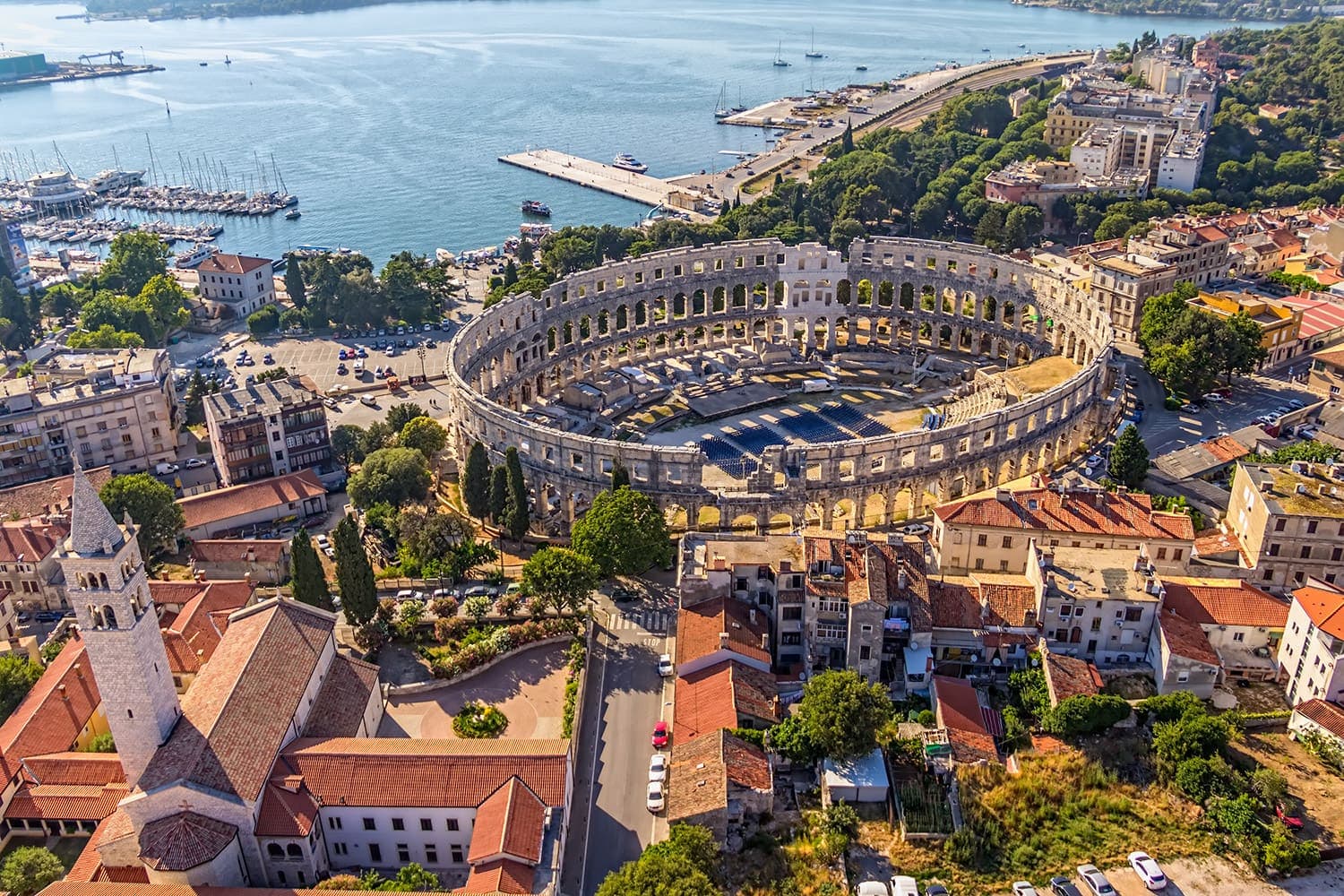
A large city on the western coast of the Istria peninsula spanning more than 2,000 years of history. Founded by the Greeks as their first colony in the Adriatic, the city became part of Kingdom of Yugoslavia only in 1920, which was yet another turn of its history. In Pula, one can see a Roman amphitheater of the 1st century, the Golden Gate dating back to 27 B.C. and other sites. July is the time for the annual film festival, while the concerts by renowned musicians take place all summer through. Pula neighbors with the Brijuni national park, former residence of Marshal Josip Broz Tito.
Best berths for a boat:
ACI Marina Pula
Marina Veruda
Valovina — anchorage
Stoja — anchorage
Soline — anchorage
Brijuni
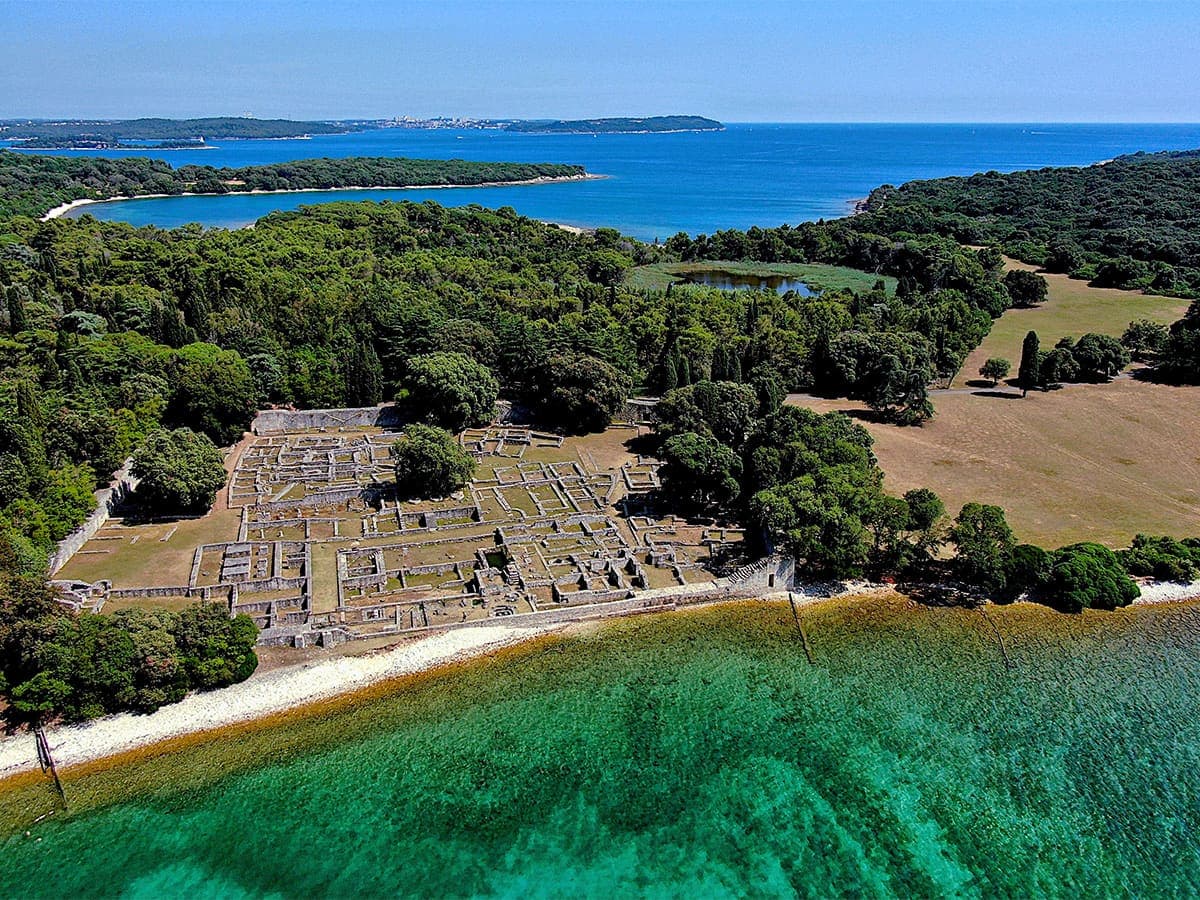
A group of islands on Istria's western coast is located 6 km from Pula. Fourteen islands of a large archipelago in the north of Croatia have the status of a national park, but the most famous is Veli Brijuni renowned for an abundance of cultural and historic monuments dating back to the first or second century A.D. It is also home to Marshal Tito's residence and a large safari park featuring animals offered to him as gifts by leaders of various countries. Set out on a walking guided tour around the park to see a Roman palace of the 1st and 2nd centuries A.D., a Venus temple, a Roman prison; ride a bicycle across the vast expanses of a currently wild nature park with roe deer hiding in the trees. A cherry on the cake of your trip will be bathing in the sea and resting next to a real dinosaur footprint.
Best berths for a boat:
- Veli Brijuni — port
- Mali Brijuni — St. Nicholas's Bay
Rovinj
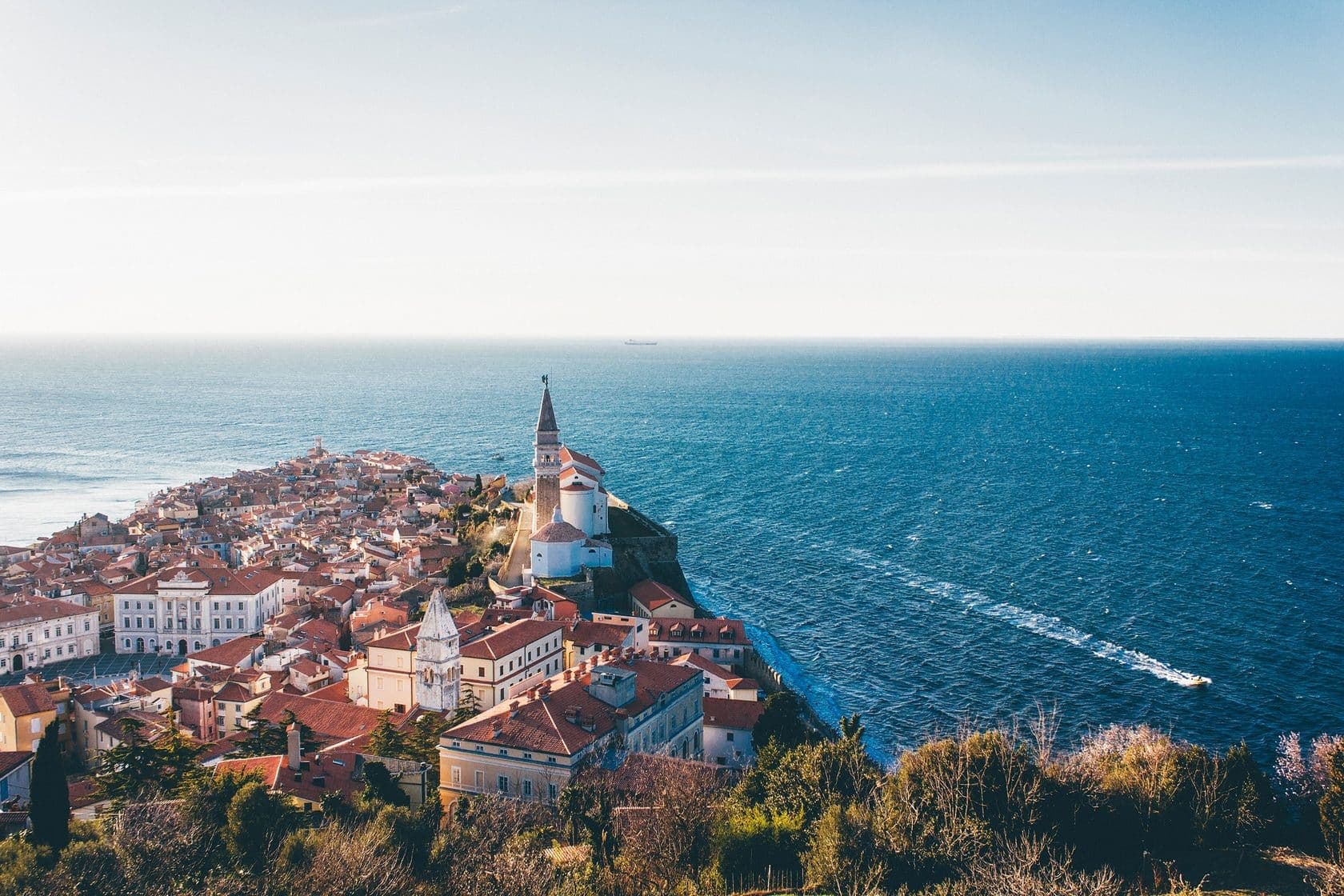
One of Istria's largest cities. The historic part is situated on the peninsula, with 22 islets visible from its coastline. The town was built between the 3rd and 5th centuries and was under the rule of Byzantium, German feudal lords, Venice, Austria-Hungary and others, it was repeatedly burnt down and restored — so favorable was Rovinj's location. This colorful town with narrow streets is distinct from all the rest of Croatia and is a successful fusion of Romanesque, Gothic, Renaissance, Baroque, and Neoclassicism architectural styles. The old town contains multiple monuments preserved to this day: from St. Euphemia's church with a 62-meter bell tower to Kaliffi palace built in the Venetian style. In the summertime, the town is drowned in flowers and verdure, just like the neighboring islands.
Best berths for a boat:
Poreč
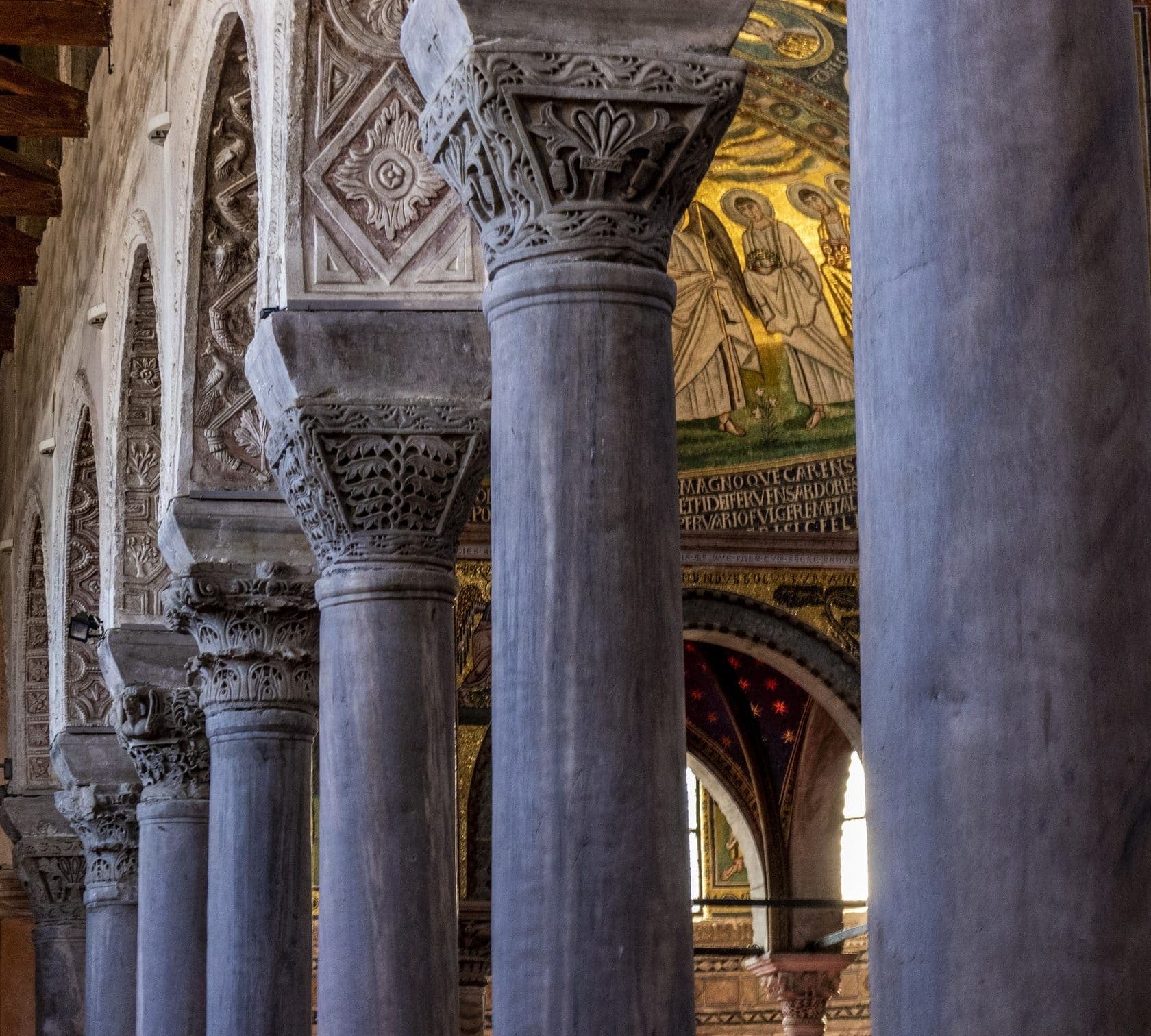
A major city on the Istria peninsula with more than 2,000 years of history behind it, it is strategically located in a bay protected from the sea by St. Nicholas Island (Sveti Nikola). A Christian community emerged here as early as in the 3rd century, while the Euphrasian Basilica (Eufrazijeva bazilika), now a UNESCO site, was erected and decorated with mosaic a little bit later. Multiple monuments and historic masterpieces are preserved here — many buildings in Poreč were built on the foundation of Ancient Roman buildings, ruins of a Forum Romanum on the Marafor Square, as well as palaces of the Venetian period. Summers are when the action takes place, with festivals and concerts taking place in the city.